
Meet the giants of the blue
There's more to whales than meets the eye.
A dark shape rises through the water. For a moment, the ocean seems to pause. Then comes a misty breath, the sweeping curve of a back and, if you are lucky, the unforgettable sight of a whale’s tail slipping beneath the waves.
Whales bring the scale of the natural world into focus. They are air-breathing mammals that have adapted beautifully to life at sea, from the vast blue whale to the deep-diving sperm whale. Some strain tiny prey through baleen; others hunt using teeth and sound. Their lives unfold through remarkable journeys, family bonds and underwater communication.
Our Whale Quiz takes you beneath the surface with 20 original multiple-choice questions covering whale biology, behaviour, Australian migrations and conservation. Dive in, follow your curiosity and see what kind of ocean explorer you become.
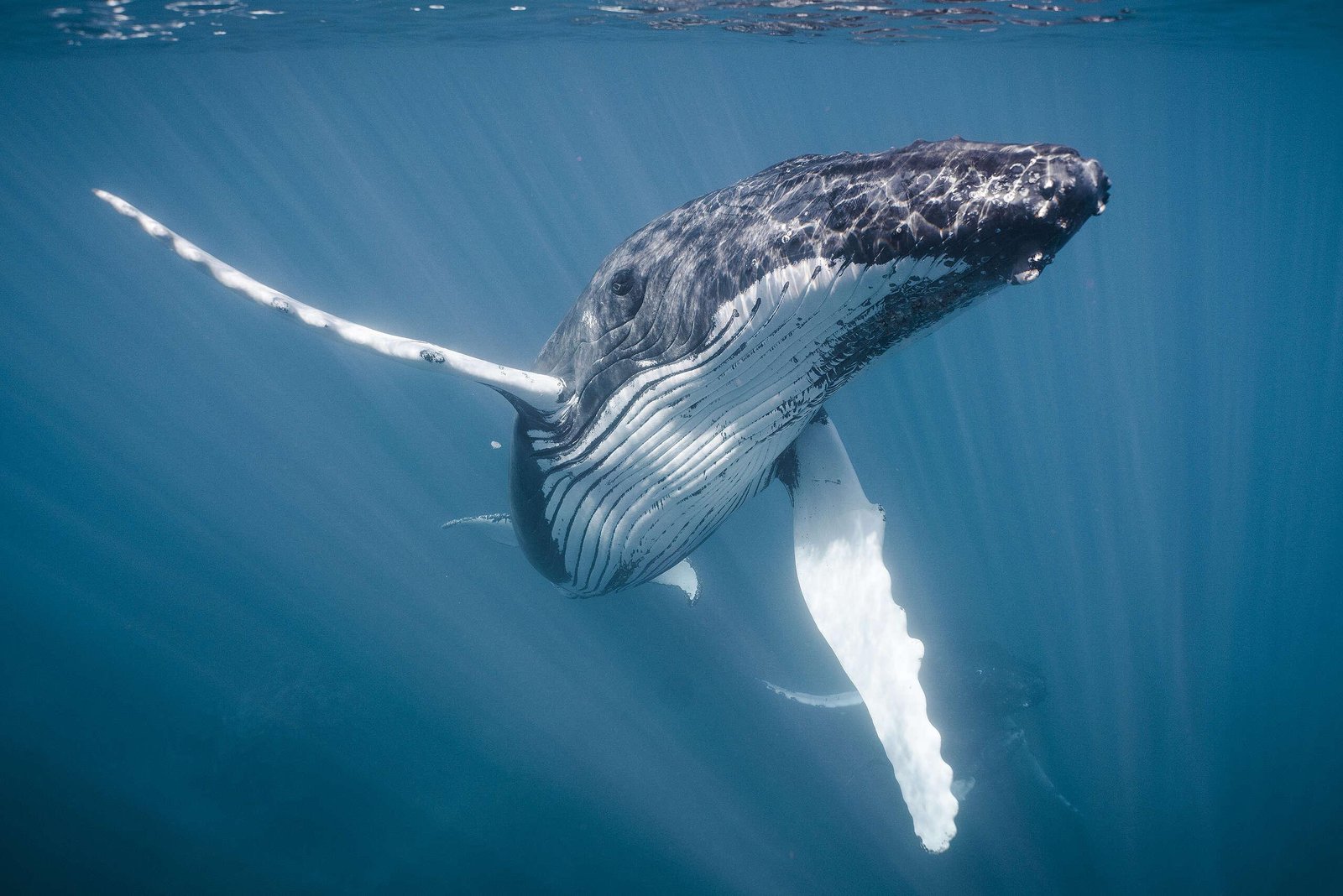
Every whale has a story written in water.
Questions to explore
For each correct answer
Maximum ocean points
Moonshadow's ocean expedition
The Deep Blue Challenge.
One question at a time. Choose your answer, follow the tide and discover your ocean rank at the finish. Your answers stay secret until the results.
Ready to take the plunge?
Find out what you know about whales from the Antarctic to the deep sea. Each correct answer earns 5 ocean points. Unlock a playful rank based on your total and a bonus streak title for consecutive right answers.
Timer begins when you select your first answer. It never submits automatically.QUESTION 01 / 20
Show a gentle clue
Your expedition report
Shoreline Explorer
Answers & explanations
Open any question to revisit the correct answer, your choice and a quick marine-science insight.
Beyond the quizboard
Why the ocean's giants are so extraordinary.
Whale trivia is more than memorising names. Each question reveals a different way these animals have evolved to live, feed and communicate in the sea.
Built for the blue
Although whales live entirely in water, their anatomy reflects their mammalian heritage. They breathe air, give birth to live young and nourish calves with milk. Streamlined bodies, insulating blubber and powerful tail movements help them travel through an environment where conserving energy matters.
A world made of sound
Sound travels efficiently through water, making it important for whale communication. Different species produce calls, clicks and patterned vocalisations. For many toothed whales, returning echoes can also reveal useful information about prey or obstacles in dark underwater surroundings.
Journeys worth protecting
Many whales cross huge stretches of sea between feeding grounds and places where calves are born. These migrations connect distant habitats and expose animals to shipping traffic, fishing gear, ocean noise and environmental change. Protecting whales means protecting the routes and waters they depend on.
Whale watching in Australia: a coastline full of wonder
Along Australia's east and west coasts, migrating humpback whales have become a treasured sight. Some pass close enough to shore to be seen from headlands, while others surface far offshore. Their journeys link productive Southern Ocean feeding areas with warmer breeding regions, and the timing varies with location and season.
A patient observer might notice the rising mist of a blow, a long pectoral fin, a lifted tail or a sudden breach. These details help make whale watching memorable, but each sighting is a glimpse into an animal's much larger life. Observing from an appropriate distance, following local approach rules and avoiding interference with mothers and calves all make wildlife encounters more responsible.
Whales also remind us that ocean conservation is connected. Fishing practices, vessel operations, marine habitat quality and the changing distribution of prey can influence the lives of animals that roam thousands of kilometres. Curiosity is a beginning; informed care is what helps keep these stories unfolding.
Frequently asked questions
Are whales fish or mammals?
Whales are marine mammals. Like other mammals, they breathe air with lungs, produce milk for their young and maintain their body temperature internally.
Is this Whale Quiz suitable for children and adults?
Yes. It combines accessible questions with a few more challenging facts, making it useful for family trivia, classrooms and curious adult learners. Every answer has a short explanation after the result.
How does the quiz scoring work?
There are 20 questions worth 5 points each, so the maximum is 100 points. Your final total determines your ocean explorer rank. You also collect one ocean pearl per correct answer and receive a separate title for your best run of consecutive correct answers. The timer is optional pressure only: when it reaches zero, you can still finish.
Why do whales migrate?
Migration reasons differ by species and population. Many humpback populations travel between cooler feeding areas and warmer breeding and calving grounds, matching different habitats to their needs across the year.
Further reading and fact checks: NOAA Fisheries — Whales, Australian Museum — Humpback Whale, Australian Government — Whales, Dolphins and Sound, and Australian Government — Whale and Dolphin Watching.